How Tinnitus Relief App Works – Simple Tinnitus Relief That Fits Real Life
.avif)

Research suggests personalized sound therapy may help reduce tinnitus symptoms. Our app works during calls, meetings, and daily activities—delivering relief when you need it most. No signup required for basic features.
codeCode

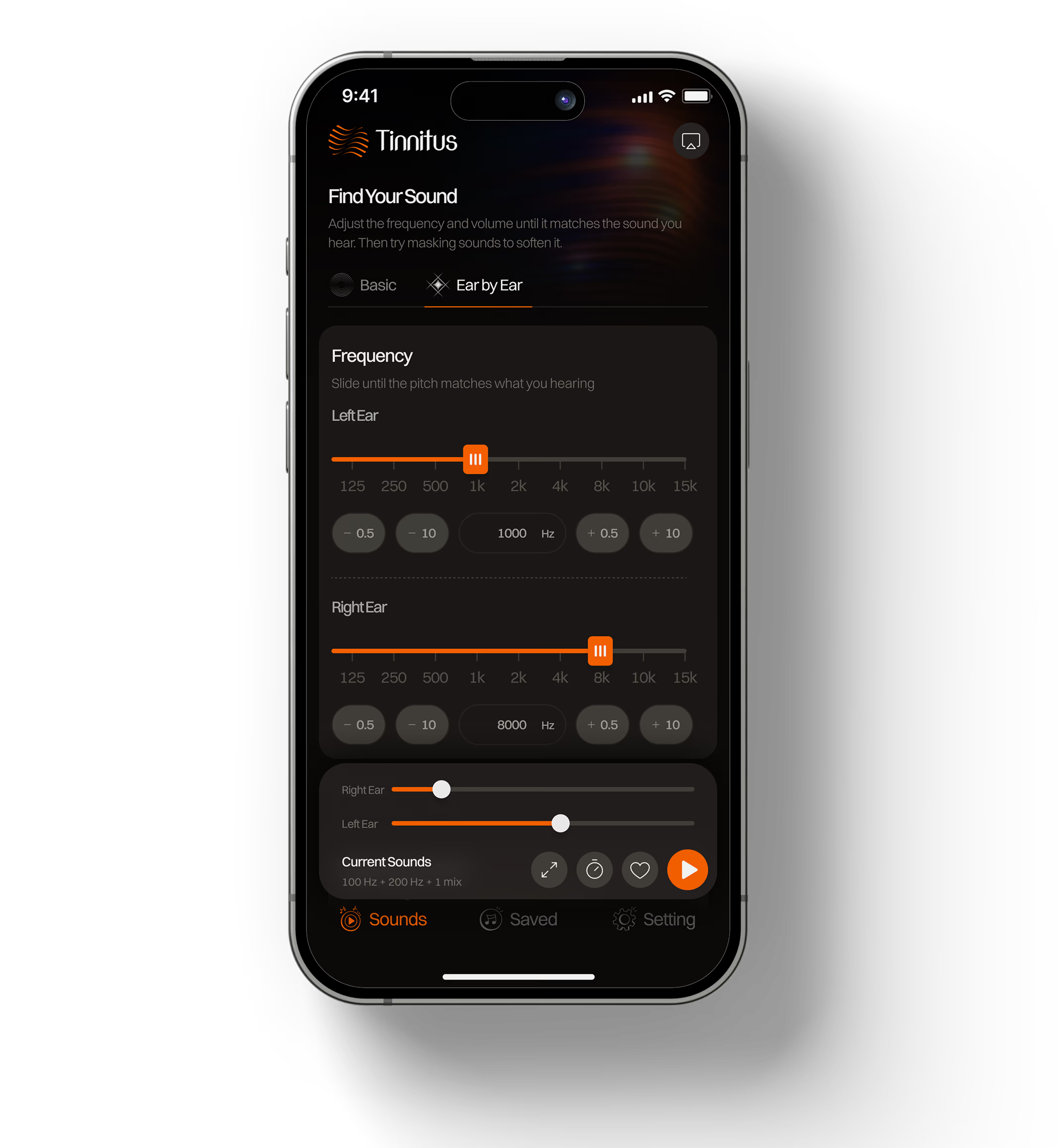
Free: frequency matching, white/pink/brown noise, sleep timers, background play during calls
Why Tinnitus Matters – The Impact on Daily Life
Tinnitus affects approximately 750 million people globally. Studies indicate that 10-15% of adults experience chronic tinnitus symptoms, with 80% reporting sleep difficulties and significant impacts on concentration and quality of life.
Research published in medical journals suggests many people with tinnitus receive limited guidance beyond "learn to live with it." However, clinical evidence supports sound therapy as a safe, non-invasive approach that some users report helps with symptom management and habituation—the process where the brain may learn to treat tinnitus as neutral background noise.
Common challenges reported by tinnitus sufferers: inability to fall asleep or stay asleep, difficulty concentrating at work, anxiety in quiet environments, social isolation due to noise sensitivity, emotional distress ranging from frustration to depression.
People worldwide experience tinnitus symptoms
Report sleep difficulties related to tinnitus
May experience improvement with consistent sound therapy use
Typical timeframe for maximum benefit in research studies
How Tinnitus Relief App Works – Evidence-Informed Sound Therapy
Our app provides tools based on sound therapy principles documented in peer-reviewed research. Users report these features help manage symptoms and support habituation over time.
White Noise Masking
Broadband sound that may help mask tinnitus across all frequencies. Some people report this reduces the contrast between tinnitus and silence, making symptoms less noticeable.
.webp)
Pink Noise Therapy
Lower-frequency emphasis that some users find gentler than white noise. Research suggests pink noise may promote deeper sleep and reduce nighttime tinnitus awareness.
.webp)
Brown Noise Relaxation
Deep, rumbling sound with emphasis on low frequencies. Users report brown noise helps with relaxation and may be particularly effective for high-pitched tinnitus.
.webp)
Rain & Nature Sounds
Natural soundscapes (rain, ocean waves, forest) that many find soothing. Research indicates nature sounds may reduce stress and anxiety associated with tinnitus.

Precision Frequency Matching
Identify your exact tinnitus pitch (100-15,000 Hz) in 60 seconds. Save separate profiles for left ear, right ear, or both. Research supports frequency-specific approaches for some tinnitus types.

Forest & Natural Environments
15+ premium therapeutic sounds including forest ambience, crackling fire, gentle wind. Layer multiple sounds to create personalized relief profiles.
Background Play During Calls & Meetings – The Key Differentiator
Unlike most tinnitus apps that pause when you switch applications, our app continues playing during phone calls, video conferences, YouTube, podcasts, and all other activities—even when your phone is locked.
Users report this feature allows them to maintain symptom management throughout their entire day without choosing between relief and normal phone use. Volume adjusts independently so masking sounds provide relief without being audible to people on the other end of calls.
Privacy-First Design – No Signup Required
- No account needed for basic features—use immediately without signup
- All data stays on your device—frequency profiles never leave your phone
- No tracking or analytics without explicit consent
- Works fully offline once sounds are downloaded
- GDPR compliant with European privacy regulations
Get Started in 3 Simple Steps
From download to relief in under 2 minutes. No courses. No complexity. Just tools that work.
Download & Match Your Frequency
Install the app and use our precision tone-matching tool to identify your exact tinnitus pitch (100-15,000 Hz). Takes 60-90 seconds. Save separate profiles for each ear if needed.
Select Therapeutic Sounds
Choose from white noise, pink noise, brown noise, rain, ocean waves, or forest sounds. Layer multiple sounds to create personalized profiles for sleep, work, or spike moments.
Activate When Needed
Use saved profiles during bedtime, work sessions, or when symptoms worsen. Set sleep timers for 30/60/90 minutes or leave playing all night. Background play continues during calls and other apps.
Real-World Results – What Research Suggests
Clinical research published in peer-reviewed journals including Frontiers in Neurology, International Journal of Audiology, and MDPI supports sound therapy as a safe, non-invasive approach for tinnitus symptom management.
What Studies Show
- 60-70% of participants in clinical trials report some degree of improvement with consistent sound therapy use over 3-6 months
- Tinnitus Handicap Inventory (THI) scores showed statistically significant reductions in multiple randomized controlled trials
- Sleep quality improvements often appear within the first 1-2 weeks of consistent use
- Maximum benefit typically occurs after 6-12 months of regular sound therapy (2-4 hours per day)
User-Reported Outcomes
Some people report the following timeline, though individual results vary significantly:
- First session (5-10 minutes): Symptoms feel less intrusive when masking sounds reduce the contrast between tinnitus and silence
- First week: Sleep onset often improves; anxiety about tinnitus may decrease as users gain a sense of control
- 4-6 weeks: Noticeable habituation progress for some users with consistent daily use
Important context: The goal of sound therapy is not silence—it's indifference. Research suggests tinnitus may remain audible but no longer dominate sleep, work, or emotional wellbeing for many users who develop habituation.
codeCodeMedical Disclaimer: Tinnitus Relief App is a symptom management tool based on sound therapy principles documented in clinical research. It is not a medical device, does not provide diagnosis, and does not claim to cure tinnitus or hearing loss.
Individual results vary significantly. Sound therapy may not work for everyone. Always consult qualified healthcare providers (audiologists, ENT specialists) for medical advice, diagnosis, and treatment of tinnitus or hearing conditions. If you experience sudden tinnitus, hearing loss, dizziness, or ear pain, seek immediate medical attention.
Frequently Asked Questions
No. There is currently no medical cure for most forms of chronic tinnitus. This app provides sound therapy tools for symptom management and habituation support based on clinical research. Some people report reduced symptom perception and improved sleep—but the app helps you manage tinnitus symptoms, not eliminate them.
Yes. The free version provides core functionality: Frequency matching tool, basic noise types, sleep timers, and background play. Premium ($39.99/year, currently $29.99 for the first year) unlocks 15+ additional therapeutic sounds, unlimited profiles, and advanced layering features.
Yes. This is our primary differentiator. Tinnitus Relief App uses background audio technology that continues playing during phone calls, Zoom/Teams meetings, YouTube, and podcasts. You can adjust masking volume independently so it provides relief for you without being audible to people on the other end of calls.
Complete privacy by design: No account required for basic features. All data and frequency profiles stay on your device and are never uploaded to servers. We are fully GDPR compliant.
Ready to regain your peace of mind?
Trusted by thousands of users worldwide • 4.8/5 rating
Scientific References & Research Sources
- Sereda M, Hall DA, et al. Re-examining the relationship between audiometric profile and tinnitus pitch. Int J Audiol. 2011.
- Hobson J, Chisholm E, et al. Sound therapy (masking) in the management of tinnitus in adults. Cochrane Database Syst Rev. 2012.
- Henry JA, Schechter MA, et al. Clinical trial to compare tinnitus masking and tinnitus retraining therapy. Acta Oto-Laryngol. 2006.
- Hoare DJ, et al. Sound therapy for tinnitus management: practicable options. J Am Acad Audiol. 2014.
- Baguley D, McFerran D, Hall D. Tinnitus. The Lancet. 2013.
- Folmer RL, Carroll JR. Long-term effectiveness of ear-level devices for tinnitus. Otolaryngol–Head Neck Surg. 2006.
- Searchfield GD, et al. Hearing aids as an adjunct to counseling. Int J Audiol. 2010.
- Jastreboff PJ, Hazell JWP. A neurophysiological approach to tinnitus. Br J Audiol. 1993.
- Tyler RS, Gogel SA, et al. Tinnitus activities treatment. Prog Brain Res. 2007.
- Mazurek B, Olze H, et al. The more the worse: noise-induced hearing loss and tinnitus. Int J Environ Res Public Health. 2010.
- Langguth B, Kreuzer PM, et al. Tinnitus: causes and clinical management. The Lancet Neurology. 2013.
- Pinto PCL, et al. Tinnitus and its association with psychiatric disorders. J Laryngol Otol. 2014.