
Tinnitus Apps vs White Noise Videos: Practical Differences
Can I use a tinnitus app and videos together?
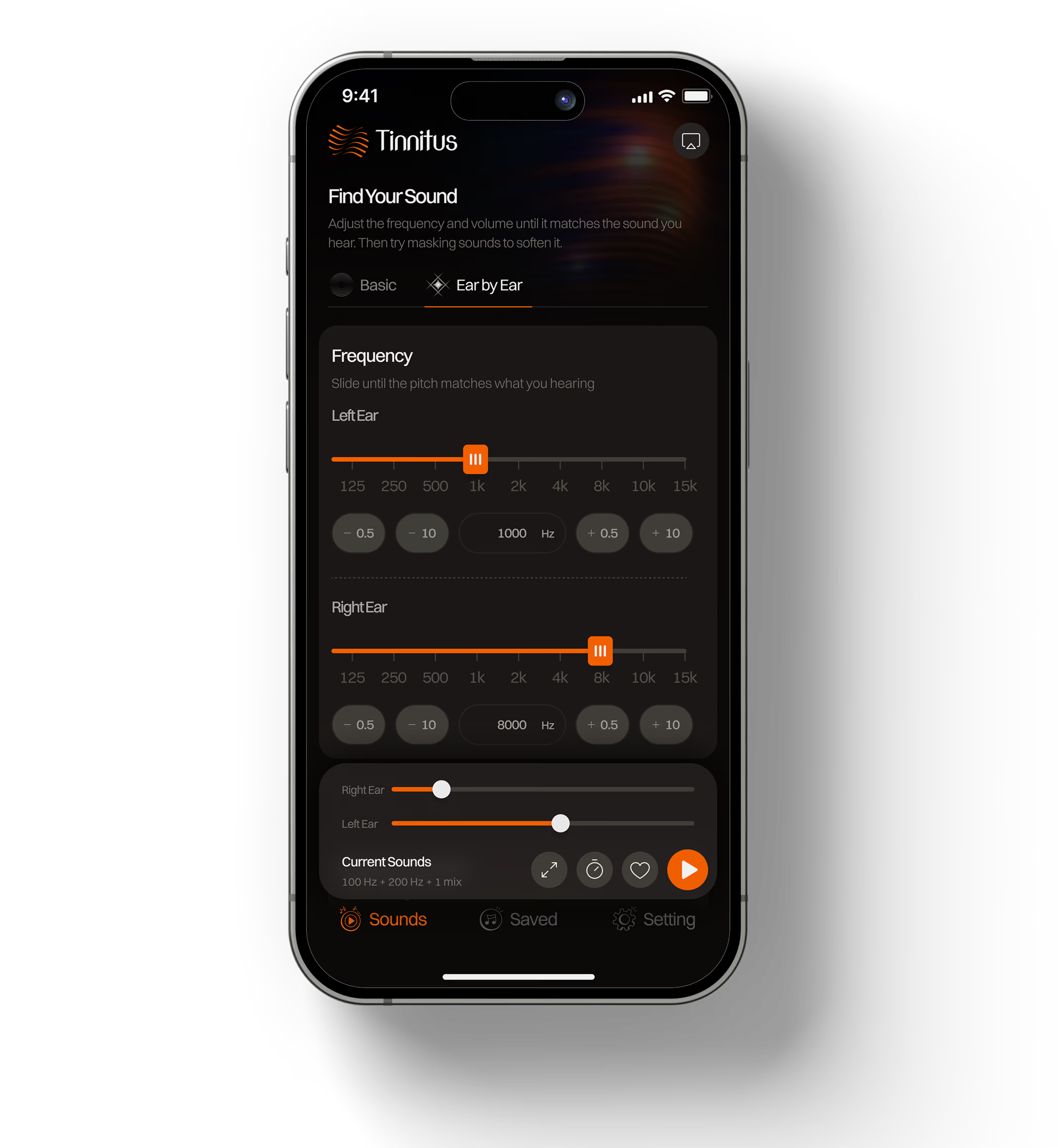
Yes, and many people do. Videos are useful for initial exploration — testing different sound types to find what helps before downloading anything. Once you have identified your preferred sounds and need a consistent daily tool, an app handles the things a video cannot: background play, saved profiles, frequency matching, offline use, and sleep timers.
Are tinnitus apps better than videos for sleep?
For overnight use specifically, apps have a clear structural advantage. A dedicated app can loop seamlessly, fade out on a timer after you fall asleep, and continue through every notification without requiring your screen to stay on or a data connection to remain active. A video stops at the first call, message, or alarm — and either ends in silence or autoplays an unexpected sound. For full overnight setup recommendations, see our sleeping with tinnitus guide.
What if I want to try sound therapy before downloading anything?
A white noise video is a completely reasonable starting point. If you find that sound therapy helps at all — that the ringing feels less dominant when there is something else for your auditory system to focus on — that is valuable information. Once you know it works for you, an app gives you the consistency, personalisation, and reliability to make it part of a daily routine rather than an occasional workaround.
Is there a privacy risk to using YouTube for tinnitus sounds?
It is worth being aware of. Video platforms log every video you watch. Hours of tinnitus-related content associates your account with that health topic, and that data can inform advertising and recommendations. An offline app that requires no account and collects no data has nothing to share. Whether this matters to you is a personal decision, but it is a real architectural difference between the two approaches.
Does the app work on planes and without internet?
Yes. Tinnitus Relief App is fully offline — all 44 sounds are downloaded to your device on install. It functions identically whether you have a data connection or not. No streaming, no buffering, no signal dependence. For frequent travellers with tinnitus, this is one of the most-cited practical advantages over video-based options.
Related guides
Do Tinnitus Apps Work?
A look at the evidence behind app-based sound therapy and what the research does and does not support.
White, Pink & Brown Noise for Tinnitus
Which noise colour suits your tinnitus type? A practical comparison across frequency profiles and use cases.
Sleeping with Tinnitus
A complete overnight protocol — sound selection, sleep timers, volume guidance, and breathing techniques.
Disclaimer: This page is for informational purposes only and does not constitute medical advice. Tinnitus Relief App is not a medical device. Always consult a qualified healthcare professional if you have concerns about your hearing health. Page reviewed by the Tinnitus Relief App editorial team. Last updated: March 2026.